How to Manage Renovation Budget Wisely


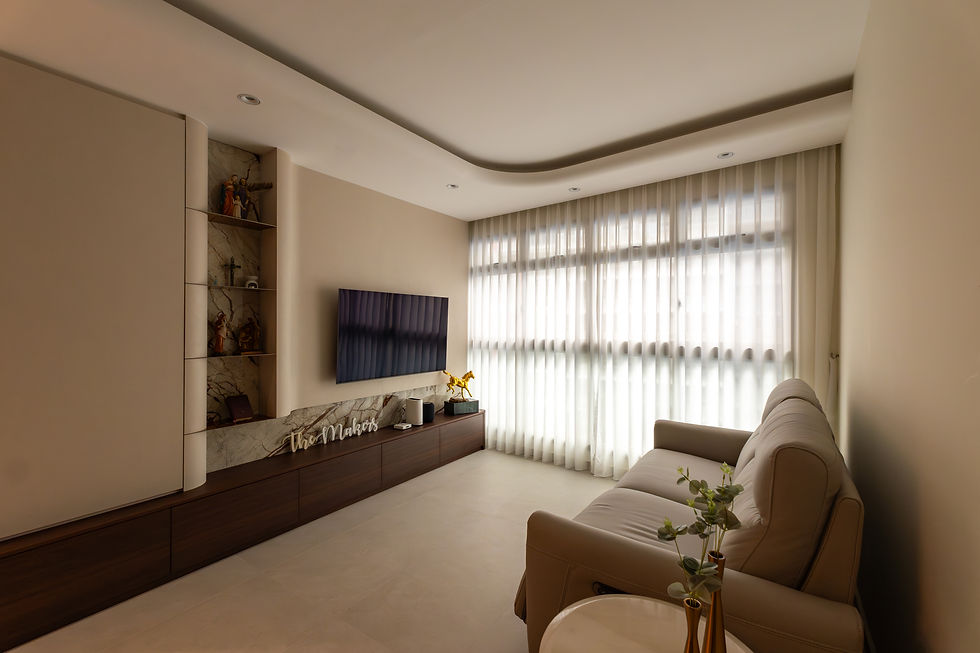
Picture by The Makers Design Studio - Punggol Place
A renovation rarely goes over budget because of one dramatic mistake. More often, it happens through a series of small decisions - a material upgrade here, an extra built-in there, a layout change after work begins. If you are figuring out how to manage renovation budget without compromising the overall result, the real goal is not to spend as little as possible. It is to spend with clarity, sequence, and control.
That distinction matters. A well-managed renovation budget supports better design decisions, smoother project execution, and fewer regrets when the space is complete. Whether you are renovating a home or a commercial unit, the strongest budgets are built before demolition starts, not after costs begin to stack up.
How to manage renovation budget from the start
The first step is setting a budget that reflects the space, your priorities, and the level of finish you expect. Many clients begin with a round number they are comfortable with, but that number may not match the actual scope. A full renovation with reconfiguration, custom carpentry, new flooring, lighting, and wet works will naturally sit in a different range than a cosmetic refresh.
This is where honesty saves money. If your budget is fixed, your scope needs to respond to it. If your scope is fixed, your budget needs to be realistic enough to support it. Problems usually begin when both are treated as non-negotiable.
A practical way to approach this is to divide spending into three layers. The first is essential work, such as electrical, plumbing, flooring, waterproofing, and core construction. The second is functional value, including storage, lighting design, kitchen planning, and space optimization. The third is aesthetic enhancement, which might include premium finishes, decorative wall treatments, feature lighting, or custom details.
When these layers are clear, decisions become easier. You can protect what the project truly needs and adjust the parts that are more flexible.
Build your renovation budget around priorities, not wish lists
A wish list is useful at the beginning, but it should not become the budget itself. The smarter approach is to rank every item by impact. Ask which upgrades will improve daily living, which ones improve appearance, and which ones simply feel nice to have.
For homeowners, this often means spending more thoughtfully in kitchens, bathrooms, storage, and lighting. These are the areas where practicality and long-term use matter most. In commercial spaces, the priority may be operational flow, durability, brand presentation, and compliance requirements. Either way, the best budgets are not evenly spread. They are intentionally weighted.
This is also the point where trade-offs should be discussed openly. For example, full-height custom carpentry may create a cleaner and more efficient interior, but it can consume a significant portion of the budget. A natural stone surface may elevate the finish, but a quality engineered alternative might deliver the same visual calm with lower cost and easier maintenance. Good budgeting is rarely about saying no to design. It is about knowing where design has the strongest return.
Budget for the invisible work too
Clients tend to focus on the finishes they can see, but hidden work often determines whether a renovation runs smoothly. Rewiring, hacking, leveling, waterproofing, rerouting services, and structural adjustments can absorb a large share of the total investment before the space starts to look transformed.
That does not mean these costs are excessive. It means they are foundational. A beautifully designed interior will not perform well if the technical work underneath is rushed or underfunded.
Older properties make this even more relevant. Existing site conditions can reveal issues only after work begins, including uneven substrates, damaged piping, outdated electrical systems, or concealed water damage. This is why an early site review and proper planning stage are so important. A disciplined renovation partner will help identify likely cost drivers upfront, rather than presenting them as surprises later.
Leave room for contingency
If there is one rule every renovation budget should follow, it is this: keep a contingency allowance. Not because poor planning is expected, but because renovations involve real site conditions, approvals, material lead times, and design decisions that evolve once drawings become reality.
A contingency fund protects the project from becoming financially strained when something changes. In many cases, 10 to 15 percent is a sensible range, though the right amount depends on the age of the property, the complexity of the work, and how finalized the design is before construction starts.
If the project is highly customized or includes major layout changes, the contingency should be treated as essential, not optional. It is far better to set that amount aside and not need all of it than to make reactive cuts halfway through the build.
Use clear specifications to control costs
One of the fastest ways for a renovation budget to drift is vague decision-making. If materials, finishes, dimensions, and scope are not clearly defined, pricing becomes inconsistent and changes become harder to track.
Detailed drawings and specifications bring control to the process. They make it easier to compare quotations properly, reduce misunderstandings during construction, and prevent repeated revisions that add time and cost. This is one reason design development is not just a creative phase. It is also a cost-management phase.
For example, saying you want a modern kitchen is not enough to budget accurately. The cost changes significantly depending on cabinet material, countertop selection, backsplash coverage, internal accessories, appliance integration, and lighting requirements. Precision creates budget confidence.
For busy clients, this is where working with a full-service design and renovation team can make a meaningful difference. When the same team handles planning, design coordination, costing, and execution, it becomes easier to align creative ideas with practical budget boundaries from the beginning.
How to manage renovation budget during construction
Budget control does not end once the contract is signed. Construction is where discipline matters most. Even a well-planned budget can shift if decisions are made casually on site.
The biggest risk during this stage is variation. Some changes are necessary, especially when existing conditions differ from the original assumptions. Others happen because clients see progress and start adding elements that were never part of the original scope. A niche becomes a feature wall. A standard laminate becomes veneer. One room gets extra lighting, then the rest of the property follows.
None of these decisions are wrong on their own. The issue is when they are made without understanding their cumulative cost. Small upgrades have a way of multiplying quickly.
A good rule is to pause before approving any change and ask three questions. Does this improve function in a meaningful way? Does it align with the overall design direction? And what does it affect beyond the direct item cost, including labor, timeline, or adjacent works? If the answer is unclear, it is worth reviewing before moving ahead.
Regular budget reviews during construction are equally valuable. You should always know what has been committed, what remains, and whether any pending selections may shift the total. A renovation feels far less stressful when costs are visible rather than guessed.
Be careful with low quotes
A lower quote is not automatically better value. Sometimes it reflects a leaner and more efficient proposal. Other times, it reflects missing scope, lower material assumptions, or limited project coordination that will cost more later.
When comparing quotations, look beyond the total. Check what is included, what is excluded, how detailed the breakdown is, and whether the design intent has actually been priced in. If one proposal appears significantly lower than the others, there is usually a reason.
This is especially important for clients who want a polished, long-lasting result. Timeless interiors are not created by chasing the cheapest path at every stage. They are created by balancing quality, practicality, and cost with a steady hand.
Spend where it lasts
Not every dollar in a renovation has equal long-term value. Some elements affect the way the space works every day, while others are easier to update over time. The smartest budgets usually prioritize what is difficult to change later.
Layout planning, electrical positioning, built-in storage, plumbing, waterproofing, and core finishes deserve careful investment because altering them after completion is disruptive and expensive. Decorative styling, loose furniture, and some surface details can often evolve in stages.
That mindset helps clients avoid a common trap: overspending early on visible statement pieces while underinvesting in the structure and functionality of the space. The better sequence is to secure the framework first, then refine the atmosphere around it.
A well-managed renovation budget does not make the project feel restrictive. It gives the project direction. When priorities are defined, specifications are clear, and decisions are measured against both lifestyle and execution, the result is usually stronger design, fewer compromises, and a smoother path to completion.
The most reassuring budgets are not the most generous ones. They are the ones built with enough clarity to support the space you actually want to live or work in.


Comments