Kids Friendly Interior Design Tips

A beautiful home can still survive crayons, snack crumbs, toy piles, wet swimsuits, and the daily sprint from sofa to hallway. The trick is to design for real family life from the start.
In Singapore, where many families live in HDB flats, condominiums, or compact landed homes, kid-friendly design has to work harder. Rooms often serve more than one purpose. Storage needs to be smart. Materials must handle humidity, heavy use, and quick cleaning. A child’s room should feel playful, but the whole home should feel calm enough for adults too.
The Makers Design Studio in Singapore is known for thoughtful interiors that balance style with everyday comfort. For families, that means designing spaces where children can explore safely, parents can relax, and the home can grow through each stage of childhood.
Here are practical, design-led ways to create a family home that feels safe, warm, and easy to live in.

Start with the way children actually move
Children do not move through a home like adults. They run, crawl, climb, roll, drag toys, and turn ordinary furniture into part of a game. A kid-friendly interior starts by accepting that movement will happen.
Look at the home from a child’s height. From that point of view, sharp table corners, trailing wires, unstable shelves, and slippery floors become more obvious.
A good layout gives children clear paths without turning the home into an empty play hall. In a living room, keep the centre open enough for floor play. Push heavier pieces, such as consoles and tall cabinets, against walls. Choose furniture with rounded edges where possible, especially for coffee tables, beds, and dining chairs.
For compact Singapore homes, the goal is not to remove furniture. It is to choose pieces that do more with less space.
Useful family-friendly choices include:
A storage ottoman instead of a sharp-edged coffee table
A sofa with washable covers or performance fabric
A bench seat with hidden storage near the entry
Nesting tables that can be moved aside during playtime
Wall-mounted shelves placed safely above climbing height
Clear circulation is a safety feature and a comfort feature. When children can move naturally, the home feels less crowded and fewer accidents happen.
Choose materials that can handle family life
Kid-friendly design is not only about soft colours and cute details. The real test is what happens after a spill, a marker stain, or a rainy walk home from school.
Singapore’s warm and humid climate also matters. Materials should be easy to wipe down, resistant to daily wear, and comfortable underfoot.
For flooring, many families prefer vinyl, engineered wood, tiles with a matte finish, or other durable surfaces that are easy to clean. Glossy floors can look sleek, but they may feel slippery, especially when wet. If tiles are used, a textured or matte finish can make the space feel safer and more grounded.
For rugs, go for low-pile options that are easier to vacuum. A washable rug works well in play areas, bedrooms, and reading corners. Avoid thick rugs that hold too much dust or make toy wheels and blocks harder to use.
For walls, washable paint is worth considering in hallways, bedrooms, and dining areas. Children touch walls more than adults realise. A surface that can take light cleaning will keep the home looking fresh longer.
For upholstery, choose fabrics that feel good but are not too delicate. Leather can be easy to clean, but it may scratch. Bouclé and very textured fabrics look beautiful, yet they can trap crumbs and lint. The right choice depends on how the family uses the room.
A practical rule works well: the more a surface gets touched, the easier it should be to clean.
Use storage that children can manage
A tidy home is easier to maintain when storage matches the way children behave. If a child cannot reach a shelf, open a heavy drawer, or see where something belongs, cleanup becomes an adult-only job.
Low storage is one of the best tools in kid-friendly interior design. It helps children take out toys and put them back with less help. This builds independence and keeps clutter from spreading across the whole home.
Open cubbies work well for everyday toys. Baskets can hold blocks, soft toys, art supplies, or costumes. Clear labels or picture labels help younger children recognise where items go.
Closed storage still matters. It keeps visual clutter under control and gives parents a place for items that need supervision, such as craft scissors, small game pieces, or electronic devices.
A balanced storage plan might include:
Low open shelves for daily toys and books
Closed cabinets for craft materials and seasonal items
Under-bed drawers for extra bedding or larger toys
Entryway hooks at child height for bags and hats
A slim cabinet for shoes, umbrellas, and outdoor gear
In Singapore homes, where floor area is often limited, built-ins can make a big difference. A built-in bay window seat with drawers, a platform bed with storage, or a full-height wardrobe with lower child-friendly sections can turn unused corners into hardworking zones.

Design zones instead of giving every activity a separate room
Many homes do not have the luxury of a dedicated playroom. That is fine. Children do not need a separate room for every activity. They need clear zones that help them understand what happens where.
A small corner can become a reading nook. A section of the dining area can double as a homework space. A bedroom wall can hold a compact art station. The living room can include a hidden toy zone that disappears behind cabinet doors at night.
Zoning helps the whole family because it creates rhythm. Toys stay near the play area. Books return to the reading corner. School bags land near the entry. Art supplies stay close to a cleanable surface.
Make the living room flexible
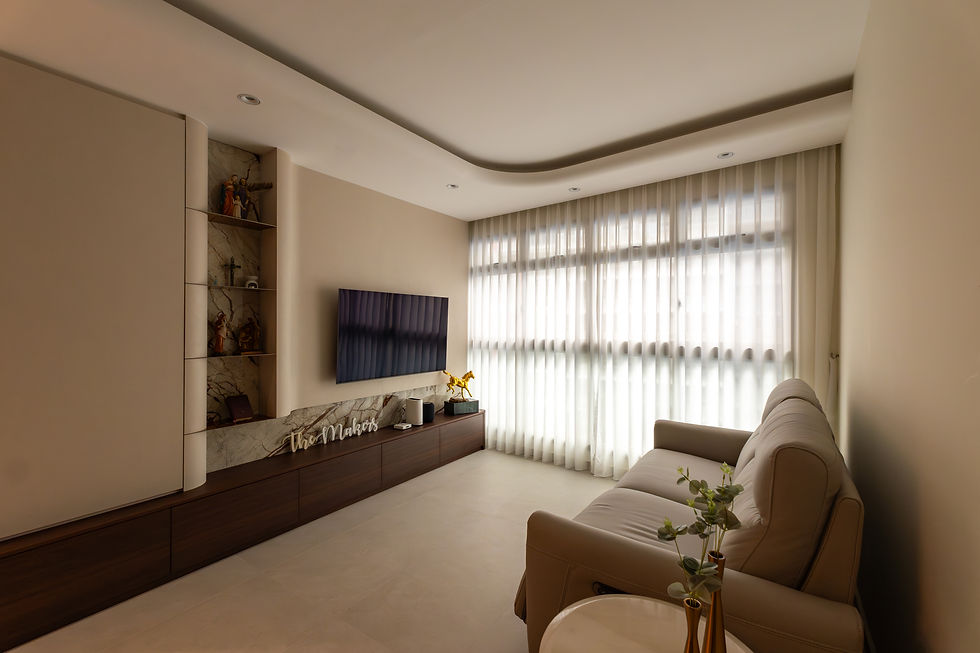
The living room often takes the most abuse in a family home. It needs to support play, lounging, guests, movie nights, and quiet downtime.
A flexible living room might include a soft rug, a sturdy sofa, low storage, and lightweight side tables. Avoid filling every corner. Empty space is useful space when children are young.
If the television is wall-mounted, plan cable management carefully. Loose cords attract curious hands and make the room look messy. Use concealed wiring where possible, and place remotes or game controllers in a drawer or basket.
Build a calm homework area
A study zone does not need to be large. It needs good light, a comfortable chair, and fewer distractions. For younger children, the dining table may work better than a bedroom desk because adults can supervise nearby.
As children grow, a proper desk becomes more useful. Choose an adjustable chair if possible, and keep supplies within reach. Good task lighting reduces strain and makes the area feel intentional.
Keep the setup simple. A desk crowded with decor, gadgets, and stationery can make it harder to focus.
Create a reset point near the entrance
Family clutter often begins at the front door. Shoes, socks, water bottles, school bags, umbrellas, and sports gear all need a place to land.
A kid-friendly entryway can include:
A low bench for putting on shoes
Hooks at adult and child height
A washable mat
A shoe cabinet with ventilation
A small tray for keys and access cards
This area does not need to be large. Even a short wall can become a reset point with the right hooks and storage.
Keep safety woven into the design
A family home should feel natural, not padded from floor to ceiling. The best safety choices are the ones that blend into the design.
Anchor tall furniture to the wall, especially bookshelves, wardrobes, and tall storage units. Children may climb before they understand danger. Stable furniture gives parents peace of mind.
Choose window treatments carefully. Cordless blinds or safely secured cords are better around young children. In high-rise homes, window safety is especially important. Grilles, locks, and careful furniture placement all matter. Avoid placing beds, desks, or climbable storage directly under windows.
Balconies also need attention. Keep outdoor furniture away from railings. Use non-slip outdoor flooring where possible, and choose weather-resistant storage if toys or scooters are kept outside.
For bathrooms, matte floor tiles, rounded vanity edges, and easy-to-reach towel hooks help. A step stool can make the sink more usable, but it should be stable and stored safely. Keep toiletries and cleaning products in closed storage.
Soft-close drawers and cabinets are useful in kitchens, bedrooms, and bathrooms. They reduce finger pinches and make the home feel quieter.
Safety works best when it becomes part of the interior, not an afterthought.

Pick colours that can grow with the child
Children’s rooms are often where families feel tempted to use bold themes. Dinosaurs, princess castles, race cars, jungle murals, and cartoon bedding can all feel fun. The challenge is that children’s interests change quickly.
A more lasting approach is to keep the main surfaces calm and use playful details in layers. Walls, built-ins, flooring, and large furniture can stay neutral or softly coloured. Bedding, cushions, art, rugs, decals, and lamps can bring in personality.
This makes it easier to refresh the room later without a full renovation.
Good base colours for family interiors include warm white, soft beige, pale grey, muted green, dusty blue, and light wood tones. These colours work well in Singapore homes because they reflect light and keep spaces feeling open.
Playful accents can still have energy. Try mustard, coral, sage, terracotta, navy, or cheerful pastels. The key is to repeat colours in small ways so the room feels designed rather than random.
For shared bedrooms, colour can help each child feel a sense of ownership. One shelf, bedding set, or pinboard can reflect each child’s taste without splitting the room visually.
Use lighting to support different moods
Lighting can change how a family home works through the day. Bright light helps with homework and cleaning. Soft light helps children wind down. Natural light makes rooms feel bigger and more cheerful.
Layered lighting is useful in nearly every room. Instead of relying on one ceiling light, mix general lighting, task lighting, and soft accent lighting.
In a child’s bedroom, this could mean:
A ceiling light for general use
A small reading lamp near the bed
A soft night light for comfort
Day curtains for privacy without blocking all light
Warm white light often feels more relaxing in bedrooms and living areas. Cooler light can work in kitchens, bathrooms, and study areas if it is not too harsh.
For young children, place lamps where they are hard to knock over. Wall-mounted reading lights can be safer than table lamps in tight spaces. Keep cords hidden or secured.
Choose furniture that adapts over time
Children grow quickly, and homes feel more sustainable when furniture can grow with them. This does not mean every item must be adjustable or expensive. It means choosing pieces with a longer life.
A cot that converts to a toddler bed, a study desk with a simple shape, or a wardrobe with adjustable shelves can serve the family for years. A single bed with drawers underneath can work from early childhood into the teenage years.
Avoid making every part of the room too babyish. A child may outgrow themed furniture faster than expected. Use theme-based items in accessories instead.
For small homes, multi-use furniture is especially helpful. A daybed can work as a reading spot and guest bed. A bench can offer seating and storage. A fold-down desk can create a study area in a bedroom or hallway.
The best pieces feel simple, sturdy, and easy to use.
Make room for independence
A kid-friendly home should help children do small tasks by themselves. This can be as simple as placing hooks at their height, storing cups in a low drawer, or creating a bathroom step-up area.
Independence does not mean giving children access to everything. It means designing safe choices into the home.
In the kitchen, a low drawer can hold child-safe plates, bowls, and water bottles. In the bedroom, a low rail or accessible basket can make it easier to choose clothes. In the bathroom, a towel hook at child height reminds children to dry their hands.
These small design choices reduce daily friction. Children learn routines, and adults spend less time repeating instructions.
Keep the adult areas beautiful too
A family home does not need to look like a childcare centre. Parents deserve a home that feels considered and restful.
The secret is balance. Let children have zones, but keep the overall palette and materials connected. If the living room has timber, warm neutrals, and soft green accents, the play corner can use the same tones. If the dining area uses clean lines and matte finishes, children’s storage can follow the same style.
This is where a studio approach helps. Instead of adding child-friendly items one by one, the home is planned as a whole. The result feels calm, even when toys are part of the picture.
A few design moves can keep shared spaces grown-up:
Use baskets in natural fibres instead of loud plastic bins
Choose closed storage for visual clutter
Display a small number of books and toys at a time
Repeat colours across adult and child zones
Use art that feels playful but not overly themed
A home can welcome children without surrendering every surface to them.

Plan for easy cleaning from the beginning
The easier a home is to clean, the more likely it is to stay pleasant. This matters even more with children.
Avoid too many narrow gaps where dust and toys can disappear. Choose furniture raised high enough for a vacuum or low enough to block things from rolling underneath. Keep open shelving limited, since every exposed surface collects dust.
In dining areas, wipeable chairs and easy-clean flooring make mealtimes less stressful. In bedrooms, washable curtains or blinds are practical. In play areas, baskets should be light enough to lift and clean around.
A good family interior does not depend on perfect tidiness. It gives everything a place, then makes cleanup realistic at the end of a long day.
Bring nature and softness into the home
Children benefit from spaces that feel warm, calm, and connected to the natural world. In Singapore, tropical light and greenery can be part of the design.
Use indoor plants carefully. Choose non-toxic options and place them where they will not be easily pulled over. If real plants are too much to manage, botanical artwork, natural textures, or green accents can still soften a room.
Natural materials like wood, rattan, cotton, and linen bring warmth. Just make sure they suit the family’s routine. A rattan basket for toys may be perfect. A delicate linen sofa may not be.
Softness also comes from texture. Cushions, rugs, curtains, and upholstered seats help reduce noise and make rooms feel more welcoming. In apartments, this can make a noticeable difference to daily comfort.
Work with professionals when the layout needs more than styling
Some kid-friendly upgrades are simple. Swapping a sharp coffee table, adding baskets, or changing curtains can happen quickly.
Other changes need careful planning. Built-in storage, custom beds, lighting plans, kitchen layouts, bathroom finishes, and window safety details all affect how the home works for years. That is where professional guidance can help.
The Makers Design Studio in Singapore can be a useful reference point for families who want interiors that feel polished but still practical. A well-planned home considers the adults, the children, the climate, the floor plan, and the routines that shape daily life.
Good design does not remove mess, noise, or busy mornings. It makes them easier to live with.
A kid-friendly home should feel safe, flexible, and loved
The best family interiors are not perfect showrooms. They are homes where a child can build a block tower, read on the floor, spill a drink, help set the table, and grow into the next stage of life.
Start with safety. Choose materials that can handle real use. Add storage children can manage. Create zones for play, study, rest, and family time. Keep the main design flexible so the home can change as children grow.
A beautiful child-friendly home is not about giving up style. It is about designing with care, so every family member has space to live well.


Comments