What Is Classic Interior Design?

Updated: Jun 26

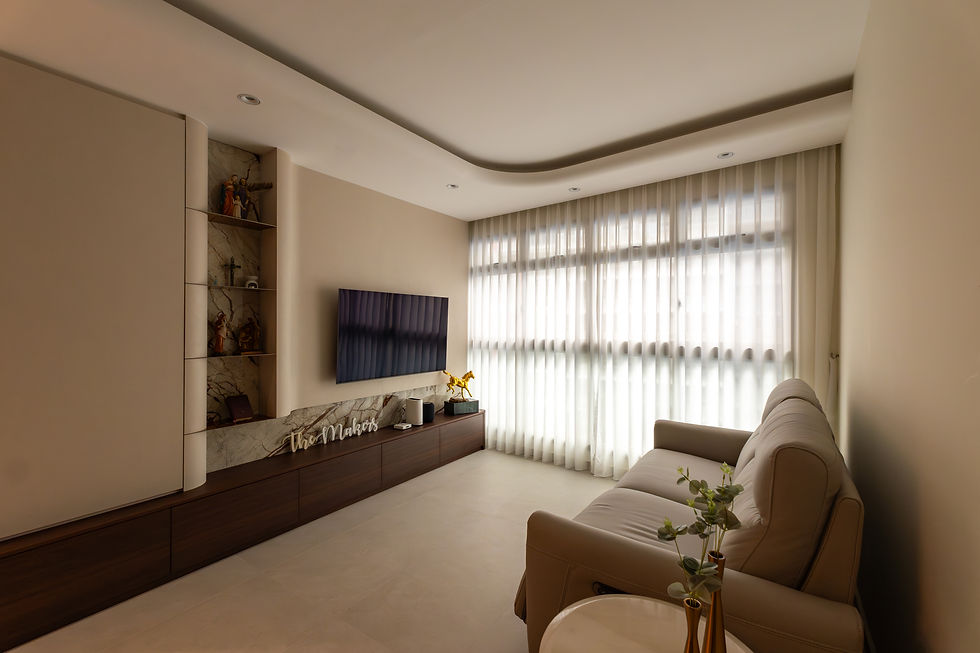
Picture by The Makers Design Studio
Walk into a room with balanced proportions, tailored millwork, warm neutrals, and furniture that looks considered rather than flashy, and you are likely seeing the answer to what is classic interior design. It is not about copying a palace or filling a home with ornate furniture. At its best, classic interior design creates spaces that feel composed, elegant, and enduring, with every element working together in a calm and intentional way.
For homeowners and business owners planning a renovation, that distinction matters. A classic interior should age well, support daily life, and justify the investment over time. It is less about chasing a look for the next two years and more about building a space that still feels right five or ten years from now.
What Is Classic Interior Design in Practical Terms?
Classic interior design is a style rooted in symmetry, proportion, and timeless detailing. It draws from traditional European influences, but in modern projects it is usually edited for present-day living. That means the finished space may include paneling, refined moldings, marble or stone finishes, graceful furniture lines, and a restrained color palette, but it should still feel livable and relevant.
The key word is restraint. A classic interior is rarely chaotic, overly decorative, or trend-driven. It tends to rely on a strong architectural framework, quality materials, and furniture with lasting appeal. Instead of making a statement through novelty, it creates confidence through balance.
This is also why classic design is often misunderstood. People sometimes assume it has to be formal or old-fashioned. In reality, a well-executed classic home can feel fresh, light, and highly functional. The style succeeds when it respects tradition without becoming heavy-handed.
The Core Features of a Classic Interior
The most recognizable feature is symmetry. In a living room, that might mean a centered sofa, matching side tables, or a pair of armchairs arranged with purpose. In a bedroom, it could be a bed framed by identical nightstands and lighting. Symmetry brings visual order, and order is a big part of why classic spaces feel settled.
Proportion matters just as much. Furniture should fit the room, ceiling treatments should relate to the scale of the space, and decorative details should never overwhelm the architecture. In smaller homes or condos, this becomes especially important. Classic design can still work beautifully, but the detailing has to be scaled correctly. Oversized moldings or bulky furniture can make the room feel crowded instead of refined.
Materials also play a major role. Wood, stone, linen, cotton, leather, and metal finishes like brass or bronze are common because they age gracefully. These materials add depth without relying on loud pattern or color. Even when the palette is neutral, a classic interior does not feel flat because texture and craftsmanship carry the design.
Then there is the decorative language of the space. Panel molding, wainscoting, coffered ceilings, framed mirrors, tailored drapery, and subtle ornamentation are all associated with classic design. But there is a trade-off here. Too little detail and the space can feel generic. Too much, and it starts to feel theatrical. The right balance depends on the architecture, the size of the property, and how formal the client wants the space to feel.
Color and Mood in Classic Design
Classic interiors usually favor soft, grounded palettes. Think ivory, beige, taupe, greige, muted blues, warm whites, and gentle earth tones. These shades support the sense of calm and permanence that the style is known for.
That does not mean bold color is off-limits. Deep navy, forest green, burgundy, or charcoal can work well in a classic scheme when used with discipline. The difference is that color is used to deepen the room, not to dominate it. A classic interior rarely depends on high-contrast trends or novelty finishes to create impact.
Lighting should follow the same logic. Layered lighting, including ambient, task, and accent sources, helps a classic room feel polished and comfortable. Decorative fixtures such as chandeliers, wall sconces, or table lamps can add character, but they should support the room rather than steal attention from it.
Why Classic Interior Design Still Appeals Today
One reason is longevity. Renovation is a significant investment, and many clients want a design direction that will not feel outdated quickly. Classic interiors generally hold their value because they are built on fundamentals that tend to outlast trend cycles.
Another reason is versatility. A classic design framework allows for personalization without losing cohesion. Art, textiles, accent pieces, or even more contemporary lighting can be layered into the space as long as the foundation remains strong. This flexibility is useful for growing families, evolving businesses, or anyone who wants a home that can adapt over time.
There is also a practical advantage. When a design is organized around proportion, storage planning, circulation, and durable finishes, the result is not just beautiful but usable. That is where classic design becomes more than a style preference. It becomes a planning strategy.
What Classic Interior Design Is Not
It is not the same as maximal traditional decor. While the two can overlap, classic interiors are usually more edited and composed. They avoid visual clutter and unnecessary embellishment.
It is also not identical to luxury design, though the two are often associated. A classic interior can look luxurious because of its detailing and materials, but luxury alone does not define the style. A room filled with expensive pieces can still feel disjointed if proportion, layout, and consistency are missing.
And it is not incompatible with modern living. Smart storage, practical layouts, and efficient lighting can all sit comfortably within a classic design concept. In fact, the most successful projects often blend classic aesthetics with contemporary functionality.
How to Make Classic Design Feel Current
This is where execution matters. If you are renovating an HDB flat, condo, landed home, or commercial unit, the goal is not to force historical detailing into a space that cannot support it. The better approach is to interpret classic principles in a way that suits the architecture.
For a smaller apartment, that may mean simpler wall paneling, lighter wood tones, cleaner furniture silhouettes, and a restrained mix of finishes. For a larger home, you may have more room for layered moldings, statement lighting, or formal dining features. In a commercial setting, classic design often works best when translated into a polished, hospitality-inspired environment that feels credible and welcoming rather than overly ornate.
This is also why design development and build coordination matter so much. A classic interior depends on precision. Uneven panel lines, awkward ceiling details, mismatched hardware, or poor material transitions can quickly undermine the effect. Timeless spaces rarely happen by accident. They come from careful planning, technical drawings, and disciplined site execution.
Is Classic Interior Design Right for You?
It depends on how you want your space to feel and how long you expect the design to last. If you are drawn to calm, order, and understated elegance, classic design is often a strong fit. It works especially well for clients who prefer a home or business environment that feels polished without being trend-led.
If you enjoy frequent redesigns or highly experimental aesthetics, a purely classic approach may feel too restrained. In that case, a classic-contemporary balance may be the better solution. You keep the timeless foundation, then introduce modern shapes or bolder accents in controlled ways.
That balance is often the smartest route. It protects the long-term value of the renovation while still allowing the space to reflect your personality and lifestyle. For many clients, that is the difference between a beautiful room and a successful project.
A well-designed classic interior does not ask for attention every minute. It earns it slowly, through proportion, materiality, and consistency. If your goal is a space that feels grounded on day one and still relevant years later, classic design is not just a style choice. It is a disciplined, dependable way to build a lasting interior.


Comments