What Is Classic French Interior Design?
- Cecil Oh
- 1 day ago
- 6 min read

A room can feel elegant without feeling staged. That balance is exactly why so many homeowners ask what is classic French interior design before starting a renovation. It has a reputation for beauty, but the real appeal is deeper than ornate molding or antique furniture. Done well, it creates a home that feels refined, comfortable, and lived in - never cold, never overly decorated.
For homeowners planning a full redesign, classic French interiors offer something many trend-led styles do not: staying power. The look is rooted in proportion, craftsmanship, and restraint. That makes it especially relevant if you want a home that still feels right years after the renovation is complete.
What Is Classic French Interior Design?
Classic French interior design is a style shaped by old-world architecture, tailored furniture, decorative detail, and a sense of effortless elegance. It often draws from Parisian apartments, French country homes, and formal European interiors, but the core idea stays consistent. Beauty comes from balance. Rooms feel layered and polished, yet never rigid.
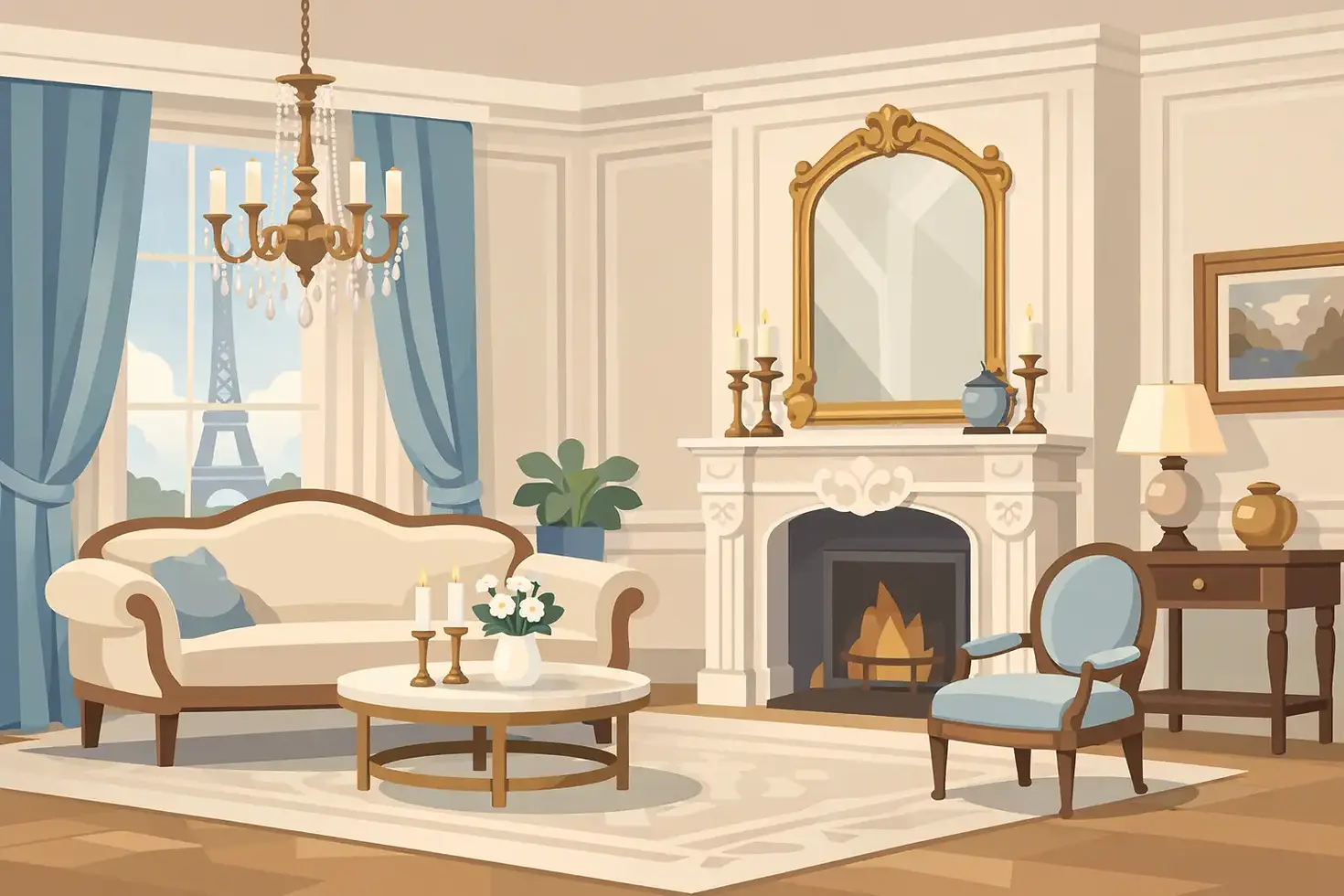
This style is known for architectural character, muted color palettes, natural materials, and furniture with graceful lines. You might see wall paneling, carved wood, marble, linen upholstery, antique-inspired lighting, and a mix of refined and relaxed finishes. The result is sophisticated, but not flashy.
That said, there is no single formula. A more formal interpretation leans toward symmetry, gilded accents, and stately silhouettes. A softer version may feel lighter, quieter, and more understated. The design direction depends on the home, the scale of the space, and how the owners actually live.
The Key Elements of Classic French Interior Design
The most recognizable feature of classic French interiors is architectural detail. Walls are rarely left plain if the goal is authenticity. Panel molding, cornices, ceiling medallions, and tall skirting boards help build a refined backdrop. These details matter because the style is not just about furniture placement. It starts with the shell of the room.
Furniture is equally important, but it should not overpower the space. Classic French pieces often have curved profiles, cabriole legs, carved frames, and tailored upholstery. A bergere chair, an elegant console, or a well-proportioned dining table can define the mood quickly. Still, too many statement pieces can make a room feel theatrical rather than timeless.
Materials carry much of the atmosphere. Wood, stone, linen, cotton, marble, and aged metals all work naturally in this style. Glossy synthetic finishes usually feel out of place. The goal is texture and patina, not perfection. Even when the home is newly renovated, the finishes should feel as though they have depth and history.
Color tends to stay soft and composed. Think warm whites, ivory, taupe, muted gray, dusty blue, sage, and faded blush. Strong contrast is used carefully. Black may appear in lighting or furniture accents, while gold or brass is often introduced in a restrained way. The palette should support the architecture, not distract from it.
Why the Style Feels Timeless
Classic French interiors continue to appeal because they are built on design principles rather than short-term trends. Symmetry, scale, comfort, and material quality never really lose relevance. A room with good proportions and thoughtful detailing will usually age better than one designed around whatever finish is popular this year.
There is also a human quality to the style. Even formal French interiors usually include softness - draped curtains, upholstered seating, aged finishes, books, art, and personal objects. That combination prevents the space from feeling too precious. It invites use.
For busy households, this is an important distinction. A home should photograph beautifully, but it also needs to function day to day. The strongest French-inspired interiors understand both.
What Classic French Style Is Not
One common misunderstanding is that classic French design must be heavily ornate. In reality, excess is what often makes the style feel dated. If every surface has detailing and every piece competes for attention, the result loses clarity.
It is also not the same as shabby rustic styling. French country elements can overlap with classic French interiors, but they are not identical. Classic French design is generally more structured, more tailored, and more architecture-led.
And while antiques are often associated with the look, you do not need a house full of period pieces. A well-executed interior may combine custom cabinetry, contemporary comforts, and a few traditional silhouettes to achieve the same effect. The style works best when it is interpreted, not copied literally.
How to Adapt Classic French Interior Design for Modern Homes
This is where design judgment matters most. Many modern homes, especially apartments and compact urban properties, do not have the original ceiling height or structural detailing found in historic European interiors. Trying to replicate a grand chateau inside a smaller home can feel forced.
A better approach is to translate the essence of the style. Start with proportion and layout. Introduce clean wall molding where it suits the space. Use elegant furniture shapes without overcrowding circulation. Choose a calm palette and layer in natural textures. Bring in one or two statement pieces, then let the rest of the room support them.
Lighting should also be considered carefully. A crystal chandelier may work beautifully over a dining area, but scale is critical. In lower ceilings or tighter rooms, wall sconces, decorative pendants, or softly detailed lamps often create a more balanced result.
Storage is another area where adaptation matters. Modern households need practical solutions, especially in family homes. Built-in cabinetry can be designed with classic panel detailing so the room keeps its French character while still supporting daily use. This kind of integration is often what separates a beautiful concept from a home that truly functions.
What Works Well in Singapore Homes
In Singapore, homeowners often need to balance elegance with climate, maintenance, and spatial efficiency. That makes a fully literal version of classic French interiors less practical in some cases. Heavy fabrics, oversized furniture, or too many decorative layers can make a room feel visually dense.
A lighter interpretation usually performs better. Soft neutral palettes help brighten interior spaces. Linen-look fabrics, subtle moldings, marble accents, and well-crafted timber finishes can create the right mood without overwhelming the home. In condominiums and HDB flats, selective detailing often has more impact than trying to recreate every traditional element.
This is also where a full-service design and renovation process becomes valuable. A style like this depends on coordination between concept design, carpentry detailing, lighting placement, material selection, and execution quality. If any one part is handled casually, the final result can feel incomplete. Studios such as The Makers Design Studio typically approach timeless interiors through this kind of end-to-end planning, which is especially useful when a design style depends so much on proportion and finish consistency.
Where People Often Get It Wrong
The biggest mistake is treating French style as decoration only. Buying a tufted sofa, a gilded mirror, and a chandelier will not automatically create a coherent French interior. Without the right architectural framework and spatial balance, those pieces can feel disconnected.
Another issue is overediting for minimalism. Some homeowners want the elegance of French interiors but remove too much detail in the name of simplicity. The room then loses warmth and identity. French design needs a level of layering to feel complete.
Budget allocation also matters. If you love this style, spend where it will be seen and felt most clearly. Good moldings, quality flooring, tailored upholstery, and carefully chosen stone or hardware usually go further than filling the room with decorative accessories. The style relies on foundational quality more than surface styling.
Is Classic French Interior Design Right for You?
It may be a strong fit if you want a home that feels graceful, established, and enduring. It also suits homeowners who value craftsmanship and are willing to invest in detail. If you prefer highly casual, ultra-minimal, or industrial spaces, classic French design may feel too formal unless it is softened significantly.
The right answer often sits somewhere in the middle. Many of the most successful homes borrow from classic French design rather than following it strictly. A few well-chosen details, elegant proportions, and timeless materials can deliver the same sense of sophistication in a way that feels personal and practical.
If you are drawn to the style, the smartest move is not to ask how to copy it exactly. Ask how its principles can support the way you live. That is usually where a beautiful interior becomes a lasting one.


Comments