Best Classic Interior Designers to Know

Updated: Jun 26

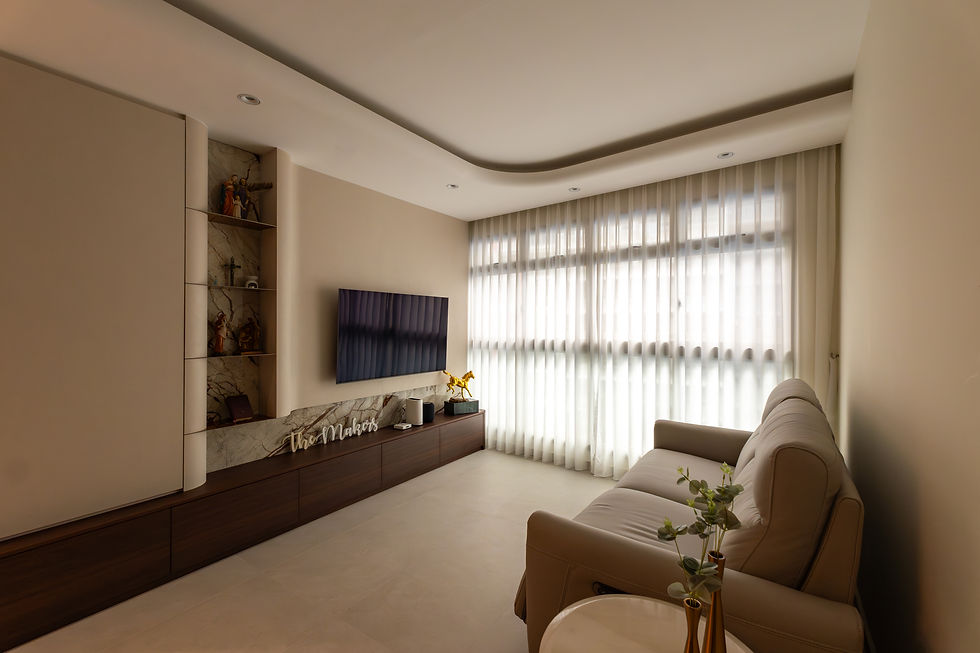
Picture by The Makers Design Studio
When clients ask about the best classic interior designers, they are rarely asking for a history lesson. They are usually trying to answer a practical question: how do you create a home that feels refined, livable, and relevant years from now, not just impressive on move-in day?
That is what makes classic design worth understanding. At its best, it is not stiff or overly formal. It is disciplined, balanced, and deeply considered. The strongest classic interiors hold their value because they are built on proportion, material quality, and spatial clarity rather than short-lived trends.
What sets the best classic interior designers apart
The best classic interior designers do more than recreate period details. They understand how to interpret tradition in a way that supports modern life. That distinction matters, especially for homeowners who need storage, efficient layouts, durable finishes, and a space that functions well every day.
A truly skilled classic designer pays close attention to scale, symmetry, and architectural language. Furniture placement feels intentional. Joinery aligns with the room rather than competing with it. Materials such as timber, stone, linen, and brass are chosen for how they age, not just how they photograph.
There is also restraint involved. Classic interiors are often mistaken for decorative excess, but the strongest examples are edited carefully. Molding, paneling, and tailored upholstery can add richness, yet too much detail in the wrong room can quickly feel heavy. Experienced designers know where to simplify.
The names most often associated with classic interior design
If you study the work often referenced when discussing the best classic interior designers, a few names consistently stand out.
Albert Hadley remains one of the clearest examples of balance and refinement. His rooms were polished but never cold. He understood how traditional structure could coexist with comfort, wit, and real personality.
Sister Parish helped define an approachable American version of classic decorating. Her interiors felt layered and graceful, but not intimidating. That balance still influences many family homes today, especially for clients who want elegance without formality.
Jacques Grange is often cited for his ability to blend classical architecture with contemporary art and pieces from different periods. His work shows that classic design does not need to feel historically frozen. It can be collected, personal, and quietly bold.
Axel Vervoordt approaches classicism from a more restrained angle. His interiors are often softer, more architectural, and more atmospheric than decorative. For clients who love timeless spaces but dislike visual clutter, this approach is particularly influential.
Peter Marino, while known for luxury retail and high-end residential work, demonstrates how classical references can be sharpened into something powerful and current. His projects are a reminder that classic design can carry strong presence without becoming old-fashioned.
These designers are not interchangeable. Some lean formal, some rustic, some eclectic. That is useful because it shows a larger truth: classic design is not one look. It is a framework built on longevity, proportion, and confidence.
Why classic interiors continue to appeal
For many homeowners, classic design offers something trend-led interiors often cannot: stability. A well-planned classic home tends to age more gracefully because it relies on foundational decisions rather than novelty.
This is especially relevant in renovation projects. Major works such as flooring, built-in cabinetry, wall detailing, lighting plans, and bathroom finishes are expensive to redo. Choosing a design language with staying power can be more cost-effective over time, even if the initial planning stage is more detailed.
Classic interiors also adapt well. You can change art, accent chairs, rugs, or lighting over the years without disrupting the entire scheme. That flexibility is valuable for growing families, professionals upgrading their homes, or business owners shaping client-facing spaces that need to remain credible for years.
In Singapore homes, where space planning often matters as much as aesthetics, this approach becomes even more practical. A classic interior cannot rely on decoration alone. It has to be supported by a clean layout, smart storage, and a strong understanding of how the space is actually used.
How to recognize good classic design in a real project
The easiest mistake is to judge a classic interior by its surface features alone. Decorative wall moldings, chandeliers, and neutral palettes can suggest a classic look, but they do not guarantee a successful result.
Start with the layout. Does the room feel calm and coherent, or merely styled? Good classic design begins with planning. Circulation should be easy, furniture should fit the room properly, and focal points should feel natural rather than forced.
Then look at the materials. The best results usually come from finishes with depth and texture. Painted millwork, natural stone, warm timber tones, tailored fabrics, and well-chosen metal accents create a layered effect that does not depend on visual noise.
Finally, pay attention to transitions. In strong projects, the living room, dining area, bedrooms, and even bathrooms feel related. Not identical, but connected. That consistency is often what separates a professionally designed home from one that simply collected classic-looking pieces over time.
Choosing the right classic interior designer for your project
If you are searching for the best classic interior designers for your own home or commercial space, reputation alone is not enough. The real question is whether a designer can translate timeless principles into a space that suits your footprint, budget, and day-to-day needs.
Begin by reviewing completed projects, not just styled images. Look for evidence of planning depth. Custom carpentry details, thoughtful lighting integration, functional kitchens, and coherent bathroom design often reveal more about a studio's capability than a beautiful living room photo.
It also helps to understand the designer's interpretation of classic style. Some studios deliver a more formal, European-inspired look. Others lean into softer contemporary classic schemes with simpler lines and less ornamentation. Neither is automatically better. It depends on the architecture of your property and the way you want to live in it.
Execution should carry as much weight as aesthetics. A classic interior can fail quickly if detailing is poorly built, finishes are inconsistently installed, or project coordination is weak. This is why many clients prefer a full-service studio that can manage design development, drawings, budgeting, renovation, sourcing, and site supervision under one process.
For projects that involve extensive renovation, practical coordination is not a secondary issue. It is part of the design outcome. Even the most timeless concept needs disciplined implementation to look resolved in the final handover.
Best classic interior designers and the question of fit
One reason the phrase best classic interior designers can be misleading is that there is no universal best. There is only the best fit for a particular brief.
A landed home with generous ceiling heights may support richer paneling, layered textiles, and more formal symmetry. A condominium might need a lighter, cleaner version of classic design that preserves openness. An HDB flat often benefits from a tailored approach where classic detailing is simplified so the space remains airy and efficient.
Commercial spaces bring another set of considerations. A law office, boutique, or hospitality venue may benefit from classic references because they project trust and permanence. But durability, maintenance, and workflow still have to lead the conversation. A timeless reception area means little if circulation behind the scenes is poorly resolved.
That is why the most dependable design partners ask detailed questions early. They want to understand how you live, what constraints the space presents, where your budget should work hardest, and which elements deserve long-term investment.
Why a timeless approach often outperforms trend chasing
There is nothing wrong with contemporary trends when used selectively. The issue comes when an entire project is built around them. Interiors anchored too heavily to a moment in design culture often date faster, and that can make a renovation feel older than it is.
Classic design tends to perform better because it leaves room for evolution. A strong base of proportionate furniture, quality finishes, thoughtful joinery, and balanced color can be updated gradually. You are not forced into a full reset every few years.
For clients who want both beauty and long-term value, that makes classic design less about nostalgia and more about sound decision-making. It is a design direction that respects investment, supports function, and creates a sense of permanence that many modern homes still lack.
At The Makers Design Studio, that kind of result starts with more than selecting a style. It starts with aligning timeless aesthetics to real-life use, then carrying that vision through planning, detailing, and execution with discipline.
A classic interior should not feel like a museum piece or a passing statement. It should feel settled, confident, and ready to serve the life built inside it.


Comments