Minimalism vs Maximalism in Interior Design: Which Style Fits Your Home?

A beautiful home can be calm and bare, or layered and full of stories. Both can work. The question is not which style is more “tasteful”, but which one supports the way you live every day.
Minimalism and maximalism sit on opposite ends of the design spectrum. Minimalism favours restraint, open space, and fewer objects. Maximalism welcomes colour, pattern, collections, and a sense of abundance. One creates quiet through editing. The other creates energy through layering.
Choosing between them affects more than the look of a room. It shapes how you clean, shop, decorate, relax, and host. A minimalist condo can make a compact space feel larger and cooler. A maximalist sala can feel warm, personal, and full of life. Many homes also land somewhere in between, borrowing the best parts of both.

What minimalism looks like in interior design
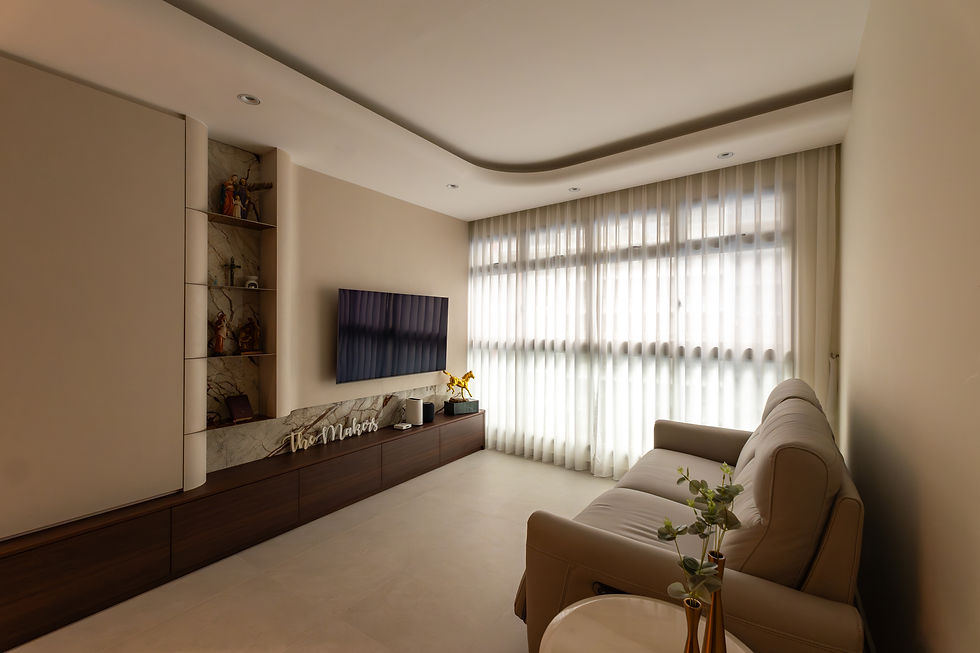
Minimalism is built on the idea that every item should earn its place. A minimalist room does not have to feel empty, cold, or plain. At its best, it feels intentional.
The focus is on clear space, simple forms, and a limited palette. Furniture tends to have clean lines. Surfaces stay mostly bare. Storage is planned so everyday items have a place to go. Instead of filling a wall with many pieces, a minimalist home may use one large artwork, a textured wall finish, or a single statement lamp.
Common minimalist elements include:
Neutral colours such as white, beige, grey, taupe, black, and warm wood tones
Functional furniture with simple shapes
Closed storage to reduce visible clutter
Natural materials such as wood, stone, linen, cotton, and rattan
Open floor space and clear pathways
Fewer decorative objects, chosen with care
Minimalism works especially well in smaller homes because it reduces visual noise. In a studio unit or condo, too many loose items can make the space feel tight. A simple sofa, slim coffee table, and wall-mounted shelves can create a sense of order without sacrificing comfort.
The key is warmth. Minimalism can look flat if every surface is white and smooth. Texture matters. A woven rug, timber stool, ceramic vase, or linen curtain can make a quiet room feel lived in.
The benefits and drawbacks of minimalism
Minimalism appeals because it offers a sense of calm. When a room has fewer objects competing for attention, the eye can rest. This can make daily routines feel less stressful, especially in busy households.
Why minimalism works
It creates a peaceful mood.
A pared-down room can feel tranquil after a long day. Soft colours, clear surfaces, and gentle lighting help the home feel like a retreat.
It makes cleaning easier.
Fewer decorative pieces mean less dusting. Clear floors and tabletops also make regular tidying faster.
It helps control spending.
Minimalist design encourages careful buying. Instead of purchasing many small items, the focus shifts to durable pieces that suit the space.
It can make rooms feel bigger.
This is useful in urban homes, where every square metre matters. Negative space can be as important as furniture.
Where minimalism can fall short
Minimalism has its challenges. If taken too far, it can feel sterile. A room with no personal objects may look like a showroom rather than a home.
It can also be hard to maintain. Minimalist rooms reveal clutter quickly. One pile of bags on a chair or a few toys on the floor can stand out more than they would in a layered space.
Another drawback is emotional. Some people enjoy being surrounded by books, travel finds, family photos, art, and heirlooms. Minimalism can feel restrictive if it forces too much editing.
A good minimalist home is not about having the fewest things. It is about keeping the right things.

What maximalism looks like in interior design
Maximalism celebrates richness. It favours rooms with character, layers, and a strong point of view. A maximalist home might mix patterned cushions, bold wallpaper, a gallery wall, colourful rugs, vintage furniture, ceramics, books, plants, and collected objects.
This style is not the same as clutter. Good maximalism still uses balance, rhythm, and editing. The difference is that it allows more elements to share the room.
Common maximalist elements include:
Strong colours, from jewel tones to bright accents
Pattern mixing, such as florals, stripes, checks, and geometrics
Gallery walls and collected art
Open shelves filled with books, ceramics, or meaningful objects
Layered rugs, curtains, cushions, and throws
A mix of old and new furniture
Personal pieces that tell a story
Maximalism works well for people who enjoy collecting and displaying. It can make a home feel warm, welcoming, and deeply personal. In the Philippines, where many family homes include passed-down furniture, travel souvenirs, religious objects, woven pieces, and framed photos, maximalism can feel natural when handled with care.
A maximalist space often has a “more is more” spirit, but the best examples still have structure. A room may use many patterns, but repeat two or three colours. A shelf may be full, but objects are grouped by height, shape, or material. A gallery wall may have different frames, but the layout still feels deliberate.
The benefits and drawbacks of maximalism
Maximalism gives a room emotional weight. It invites memory, expression, and play. If minimalism whispers, maximalism speaks clearly.
Why maximalism works
It shows personality.
Maximalist interiors make room for hobbies, collections, art, and family history. The home becomes a visual record of what matters.
It feels warm and lived in.
Layered rooms can feel cosy because they offer softness, colour, and detail. Guests often have something to look at and talk about.
It allows creative freedom.
Maximalism welcomes mixing. A vintage aparador can sit beside a modern lamp. A patterned banig can work with a velvet chair. The result can feel unique rather than copied from a catalogue.
It hides everyday mess better.
A colourful, layered room can absorb small signs of daily life more easily than a stark minimalist space.
Where maximalism can fall short
Maximalism can become overwhelming when there is no visual pause. Too many colours, patterns, and objects can exhaust the eye. A room may feel smaller if every wall, shelf, and surface is full.
It can also collect dust and take longer to clean. Open shelving, many frames, and decorative pieces require care. In humid climates, books, fabrics, and natural materials may need extra attention to avoid mustiness.
Shopping can also become a trap. Because maximalism welcomes abundance, it is easy to buy without a plan. The best maximalist homes still edit. They do not display everything at once.

How to decide which style fits your home
The right choice often comes down to lifestyle, habits, and the mood you want at home.
Use these questions as a guide:
Choose minimalism if
You feel calmer with clear surfaces, prefer fewer possessions, dislike visual clutter, and want a space that feels open and easy to maintain.
Minimalism suits
Small condos, busy professionals, people who value routine, and anyone who wants a low-distraction home.
The risk
The room can feel cold or unfinished if it lacks texture, warmth, or personal touches.
Choose maximalism if
You love colour, collect meaningful objects, enjoy decorating, and want your home to show your personality and memories.
Maximalism suits
Creative households, collectors, family homes, and people who feel comforted by layers and visual interest.
The risk
The room can feel crowded if there is no editing, storage, or colour plan.
Think about your daily patterns. Do you drop keys, bags, and mail on the nearest surface? A strict minimalist setup may frustrate you unless you add practical landing zones. Do you love buying art and decor on trips? Maximalism may suit you, but you will need shelves, frames, and storage to keep the room from becoming chaotic.
Also consider who shares the space. A minimalist living room may work for one person but feel too limiting for a large family. A maximalist dining area may feel joyful during gatherings but tiring if someone in the household needs quiet surroundings to relax.
Neither approach is morally better. Minimalism does not make a person more disciplined. Maximalism does not make a person more creative. They simply support different needs.
How to bring minimalism into your decor without losing warmth
If you like minimalism but fear a bare room, focus on softness and quality.
Start by clearing surfaces, then add back only what feels useful or beautiful. Keep everyday items in trays, baskets, or drawers. Choose furniture with enough storage, especially in small homes where clutter builds quickly.
A few practical ways to get the look:
Use one main colour family, then add texture through wood, woven fibres, and fabric
Pick furniture with legs to create a lighter visual feel
Choose closed cabinets for items that are not decorative
Leave part of a wall empty instead of filling every corner
Use warm white bulbs rather than harsh cool lighting
Display one or two personal pieces, such as a framed photo or handmade ceramic
A minimalist bedroom, for example, can still feel inviting with cotton bedding, a wooden side table, a woven lampshade, and one artwork above the bed. The room stays simple, but it does not feel empty.
How to bring maximalism into your decor without creating clutter
Maximalism benefits from rules, even loose ones. The goal is expression with control.
Start with a colour story. You can use many colours, but choose a few that repeat across the room. For example, a living room might use emerald, rust, cream, and dark wood. Once those colours appear in the rug, cushions, art, and accessories, the room feels connected.
Try these ideas:
Group collections by type, colour, or material
Mix patterns in different scales, such as a large floral with a small stripe
Use one wall as a gallery wall instead of spreading frames everywhere
Balance busy areas with plain surfaces
Rotate decor instead of displaying every item at once
Keep pathways clear so the room still functions well
Open shelves are a good test. Arrange books upright and horizontal. Add ceramics, framed photos, or plants. Leave small gaps so the display can breathe. Maximalism looks more polished when the eye has places to pause.
How to mix minimalism and maximalism in one home
Many homes look best when they borrow from both styles. This middle ground is often easier to live with than either extreme.
You might keep the base minimalist, then add maximalist accents. Think plain walls, simple furniture, and a bold rug. Or neutral cabinets with colourful plates on open shelves. Or a calm bedroom with lively artwork above the headboard.
You can also assign styles by room. A bedroom may stay minimal for rest, while the living room carries more colour and personal objects. A kitchen may stay simple for function, while a hallway becomes a gallery of family photos.
A balanced approach could look like this:
Minimalist foundation Clean-lined sofa, neutral walls, hidden storage
Maximalist layers Patterned cushions, local artwork, sculptural lamps, books, and plants
Shared discipline Regular editing, clear walkways, and a colour palette that ties the room together
This mix works because it respects both needs: calm and character. A home can have open space and still feel personal. It can show many stories without feeling crowded.

Small changes that help either style feel intentional
Whether you lean minimal or maximal, the same design habits make a room feel better.
Edit before buying.
Remove what no longer fits your life before adding more. This applies to both styles.
Plan storage early.
A beautiful room fails when there is nowhere to put daily items. Include baskets, cabinets, drawers, and hooks.
Repeat materials.
Wood, metal, rattan, glass, or ceramic can appear in several places to create unity.
Use lighting in layers.
Ceiling lights alone can make a room feel flat. Add floor lamps, table lamps, wall lights, or shaded fixtures.
Respect scale.
Large furniture can crowd a small room. Tiny decor can disappear in a large one. Choose pieces that suit the proportions of the space.
Let the home change.
Taste shifts. Families grow. Collections change. A good interior should have room to evolve.
The best style is the one you can live with
Minimalism offers calm, clarity, and simplicity. It can make a home feel open and restful, but it needs warmth and personal touches to avoid feeling stark. Maximalism brings colour, memory, and individuality. It can make a space feel alive, but it needs editing and structure to avoid visual overload.
The most useful question is simple: what do you want your home to do for you?
If you want rest, order, and fewer decisions, minimalism may fit. If you want self-expression, energy, and rooms filled with stories, maximalism may feel right. If both sound appealing, choose a simple foundation and layer in the pieces that make you smile.
A well-designed home does not have to follow one label perfectly. It only needs to support your routines, reflect your taste, and feel good to come home to.


Comments