What Is the Most Timeless Interior Design Style?

Updated: Jun 26

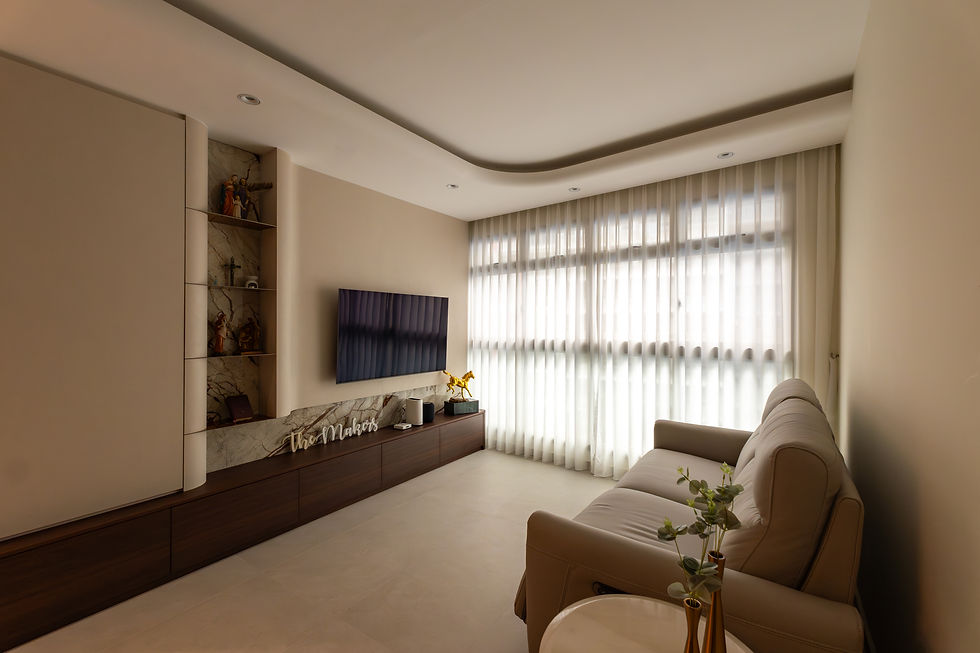
Picture by The Makers Design Studio
A living room that feels dated after three years is rarely a styling problem alone. More often, it is the result of design decisions that were driven by novelty instead of longevity. When clients ask what is the most timeless interior design style, they are usually asking a bigger question: how do you create a space that still feels elegant, functional, and relevant long after trends have moved on?
The strongest answer is classic interior design, interpreted with restraint and adapted to modern living. Not overly ornate, not frozen in a past era, and not trend-chasing. A timeless interior is built on proportion, quality materials, practical planning, and a calm visual language that can evolve with your life.
What Is the Most Timeless Interior Design Style?
If the goal is long-term appeal, classic design remains the most timeless interior design style. That does not mean a room has to look formal or traditional in a heavy-handed way. In well-executed interiors, classic design is less about decoration and more about structure.
It prioritizes balance, clean lines, symmetry where appropriate, and materials that age well. Think warm timber, natural stone, neutral palettes, tailored upholstery, considered lighting, and architectural details that bring character without overwhelming the space. These elements have endured because they are visually stable. They do not depend on novelty to feel beautiful.
This is also why classic interiors adapt so well across property types. In an HDB flat, the expression may be more streamlined and space-conscious. In a condominium, it may lean more refined and layered. In a landed home or commercial setting, it may include stronger architectural detailing. The underlying principle stays the same: design for permanence, not short-term impact.
Why Classic Design Lasts When Trends Fade
Timelessness is not accidental. Certain styles last because they solve both aesthetic and practical needs at the same time.
First, classic interiors rely on proportion rather than spectacle. A room with good spatial balance, comfortable circulation, and appropriately scaled furniture will continue to feel right even as preferences shift. By contrast, trend-led interiors often depend on a specific color, finish, or statement form to feel current. Once that moment passes, the whole room can feel tied to a particular year.
Second, timeless spaces tend to use materials with visual depth and physical durability. Natural timber, stone-look surfaces, matte finishes, linen textures, and well-crafted cabinetry usually age more gracefully than high-gloss novelty materials or highly stylized patterns. In renovation work, this matters just as much as appearance. A home should not only photograph well on handover day. It should perform well through daily use.
Third, classic design leaves room for change. Accessories, artwork, loose furniture, and accent colors can be updated over time without requiring a full redesign. That flexibility is one of the biggest advantages for homeowners and business owners who want a strong foundation but do not want to feel locked into one look forever.
Timeless Does Not Mean Old-Fashioned
One of the most common misconceptions is that timeless design must look formal, ornate, or conservative. In reality, the most successful timeless interiors are usually edited, quiet, and deeply practical.
A modern classic home might feature simple shaker-style cabinetry, soft neutral walls, full-height storage, subtle wall paneling, and brushed metal hardware. It can still feel fresh and current because the detailing is disciplined. There is enough character to create identity, but not so much that the space becomes visually rigid.
This matters in Singapore homes, where square footage often needs to work hard. A timeless approach should not ignore the realities of compact layouts, family routines, maintenance, or storage needs. Good design is not about recreating a magazine aesthetic at the expense of daily comfort. It is about making the space feel elevated and livable at the same time.
The Features That Make an Interior Feel Timeless
Timeless interiors are usually easy to recognize, even if they do not all look identical. They share a few core qualities.
They start with a coherent layout. Space planning is often the least visible part of a project, but it has the greatest effect on whether an interior continues to work over time. A well-planned kitchen, a bedroom with clear circulation, or a commercial space with intuitive zoning will always outperform a beautiful layout that feels awkward in use.
They also rely on a restrained palette. Neutral does not mean bland. It means using colors that create calm and continuity, then building depth through texture, contrast, and material variation. Soft whites, warm greige, muted taupe, natural wood tones, charcoal, and stone-inspired finishes tend to hold their appeal because they are easy to live with.
Furniture and built-ins are another factor. Timeless interiors favor pieces with clean silhouettes and dependable craftsmanship over exaggerated shapes that quickly date a room. Custom carpentry should look integrated with the architecture, not purely decorative. The best built-ins solve a real need while keeping the visual language consistent.
Lighting is equally important. Decorative fixtures can add personality, but the overall lighting plan should support daily routines. Layered lighting, including ambient, task, and accent lighting, creates a space that feels considered rather than theatrical. That is especially important in homes where one room often serves multiple functions.
Are Other Styles Timeless Too?
Yes, but with conditions. Several styles can feel lasting when handled carefully, although they usually work best when grounded in classic principles.
Scandinavian design has enduring appeal because of its simplicity, functionality, and light material palette. However, if it becomes overly sparse or reliant on trend-specific details, it can lose warmth. Minimalist interiors can also age well, especially for clients who value calm, uncluttered environments. The trade-off is that minimalism requires exceptional discipline in planning, storage, and detailing. If those fundamentals are weak, the result can feel cold rather than timeless.
Mid-century modern has proven longevity too, particularly in furniture design. Still, a full interior built too literally around one period can feel more thematic than timeless. Transitional design, which blends classic and contemporary elements, is often one of the most practical solutions because it offers balance. For many clients, this is the sweet spot: rooted enough to last, current enough to feel relevant.
So while classic design is the clearest answer to what is the most timeless interior design style, the better question may be which timeless framework best supports your space, habits, and long-term goals.
How to Design for Timelessness in Real Projects
A timeless interior starts long before finishes are chosen. It begins with understanding how the space needs to function now and how it may need to adapt later.
For homeowners, that may mean planning for growing children, aging parents, hybrid work, or improved storage. For commercial clients, it may mean creating a space that reflects brand credibility without needing a major facelift every few years. In both cases, longevity comes from aligning the design with real use.
That is why execution matters as much as concept. A timeless design can easily be undermined by poor joinery proportions, inconsistent detailing, weak material coordination, or shortcuts during construction. The value of an end-to-end design and renovation process is that it allows the original vision to be protected through planning, documentation, sourcing, and on-site delivery.
At The Makers Design Studio, that belief sits at the center of how timeless interiors are shaped - not as a styling exercise, but as a complete journey from concept to completion. The result is a space that feels intentional in both appearance and performance.
How to Know if a Design Choice Will Date Quickly
A useful test is to ask whether a feature still works when the novelty is removed. If a material, color, or form only feels appealing because it is currently everywhere, that is a warning sign. If it still feels balanced, functional, and appropriate without the trend context, it is more likely to last.
Another test is whether the choice supports the architecture and lifestyle of the user. A dramatic finish may look impressive in isolation but feel out of place in a compact family home. A heavily stylized café concept may create initial impact but become expensive to refresh if the branding evolves. Timeless design is rarely the loudest option in the room. It is usually the one that keeps making sense.
The most enduring interiors are not built to impress for a season. They are built to carry daily life well, to age with dignity, and to leave enough room for the people using them to grow into the space. If you are choosing a direction for a renovation, that is often the clearest standard to work by.


Comments