When to Hire Interior Designer for Your Space

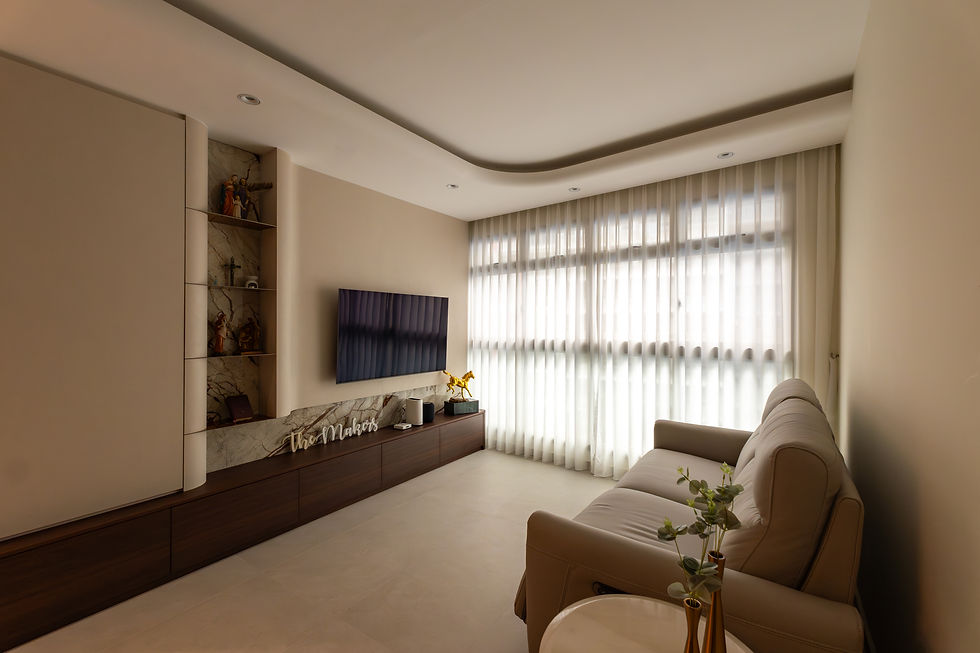
Fernvale Lane Kitchen done by The Makers Design Studio
The costly mistakes usually happen before a single tile is laid. A layout is approved too quickly, lighting points are placed without thinking through daily routines, or finishes are chosen in isolation and do not work together once installed. That is exactly why homeowners and business owners ask when to hire interior designer support - not just whether they need one at all.
The short answer is earlier than most people think. Interior design is not only about styling a finished room. In any serious renovation or fit-out, it affects planning, functionality, budgeting, technical coordination, and the quality of the final result. If you bring in a designer only after key decisions have already been made, you may limit what is possible and spend more correcting avoidable issues later.
When to hire interior designer support
The best time to engage an interior designer is when you know a space needs to change, but before demolition, purchases, or contractor appointments begin. That applies whether you are renovating an HDB flat, refreshing a condo, fitting out a landed property, or planning a commercial unit.
At this stage, a designer can shape the project from the ground up. That includes understanding how you live or work in the space, identifying constraints, planning circulation, defining the design direction, and aligning early ideas with budget realities. It is much easier to adjust a drawing than rebuild a completed partition.
Many clients wait until they feel "ready," but readiness often means different things. You do not need every finish, furniture piece, or inspiration image figured out. In fact, the more uncertain you are about layout, style, storage, or scope, the more useful professional guidance becomes.
The clearest signs you should hire a designer
Some projects benefit from design input more than others. A simple cosmetic refresh may not require a full-service approach. But once the space involves technical work, multiple trades, or long-term investment, the value becomes much clearer.
You are renovating more than surface finishes
If your project goes beyond paint, loose furniture, and simple decor updates, it is worth engaging a designer early. Reconfiguring walls, built-ins, kitchens, bathrooms, lighting, flooring, or mechanical systems requires planning that balances appearance with buildability.
A good design solution should look refined, but it also needs to work in real life. Cabinet depths, door swings, circulation clearances, power point placement, material transitions, and maintenance needs all matter. These details are easy to underestimate until the work is underway.
You want the space to function better, not just look better
Many people start with aesthetics, then realize the real problem is how the space performs. The kitchen feels cramped, the living room has no clear focal point, storage is always insufficient, or the office layout affects productivity.
That is often the moment when design becomes strategic rather than decorative. An interior designer can solve spatial problems, improve flow, and create a stronger connection between the space and the way you actually use it.
You are managing a real budget and cannot afford expensive rework
Hiring a designer is sometimes seen as an added cost. In practice, it can protect the budget by reducing poor decisions, duplicated work, unclear specifications, and rushed purchases.
This is not a promise that every project will cost less with a designer. Some projects become more ambitious once opportunities are identified. But well-managed design work usually leads to better cost control because there is a plan, a scope, and a clearer sequence for execution.
You do not have time to coordinate everything yourself
Busy professionals and families often underestimate how much coordination a renovation requires. Measurements, drawings, material selection, site decisions, contractor questions, scheduling, sourcing, and quality checks can quickly become overwhelming.
If you want one cohesive direction rather than managing separate vendors with different priorities, working with a full-service firm can save time and reduce friction. Design is only part of the equation. Execution matters just as much.
Your project involves several stakeholders
Commercial spaces, family homes, and larger renovation projects often involve multiple decision-makers. That can create delays, conflicting preferences, and scope changes midway through the process.
A designer helps bring structure to those conversations. Instead of reacting to isolated opinions, the project can be assessed against a clear concept, functional brief, timeline, and budget framework.
When to hire interior designer help for a new home
A new property often feels like a blank slate, but that does not make it simple. In many cases, it is more efficient to engage a designer before move-in rather than furnishing the home bit by bit afterward.
Early planning allows you to address storage, lighting layers, built-in carpentry, furniture proportions, and room use before daily life starts taking over. This is especially helpful for families, couples moving into their first home, and owners who want a polished result without years of gradual trial and error.
In Singapore homes, where square footage can be limited, this matters even more. Thoughtful space planning can significantly improve how compact homes feel and function. The difference is rarely about adding more items. It is usually about using the right dimensions, layout logic, and integrated storage from the start.
When it may be too late to wait
There are a few moments where delaying design input creates unnecessary risk. One is after appointing a contractor based only on a rough idea of what you want. Another is after purchasing major finishes or furniture before confirming dimensions and compatibility.
A third is when demolition begins without a fully resolved plan. At that point, decisions tend to become reactive. Timelines tighten, options narrow, and site changes may cost more than they should.
That does not mean a designer cannot step in mid-project. They often do. But the role becomes more about damage control and optimization rather than thoughtful planning from the outset.
What an interior designer should help you clarify early
A strong design process should answer practical questions before construction starts. How should the space flow? What is worth customizing, and what should stay simple? Which materials fit the level of use and maintenance expected? Where should the budget be prioritized for the greatest impact?
It should also connect design intent to real-world execution. That means measured drawings, design development, technical coordination, and a finish schedule that contractors can actually follow. Without that structure, even a beautiful concept can break down during construction.
This is where full-service studios tend to offer more value than piecemeal support. If the same team is thinking through concept, planning, technical documentation, sourcing, and project management, there is usually more consistency between what is promised and what gets delivered.
Should you hire a designer for a small project?
Sometimes yes, sometimes no. If the work is limited to cosmetic styling or replacing a few furnishings, full design services may be more than you need. But small spaces are not automatically simple spaces.
A compact apartment, a tight kitchen, or a modest retail unit often demands sharper planning because every inch has to work harder. If the project has constraints, custom elements, or a need for strong visual cohesion, professional input can still make a meaningful difference.
The better question is not whether the project is big or small. It is whether the decisions are significant enough to affect your budget, daily routine, or long-term satisfaction with the space.
How to know you are ready to start
You are ready when you have a goal, even if you do not yet have the answers. Maybe you want a calmer home, better storage, a more refined client-facing office, or a renovation process that feels less fragmented. That is enough to begin the conversation.
The right design partner should help translate those goals into a clear scope, realistic expectations, and an actionable path forward. Firms like The Makers Design Studio are often most effective when engaged before the project becomes complicated, because that is when design can shape the result instead of simply responding to problems.
If you have been waiting until everything feels certain, this is the part worth reconsidering. The smartest time to hire a designer is often when the space still exists as a question, because that is when expert planning has the most room to improve what comes next.


Comments